When browsing market quotes and financial news feeds, especially through platforms like FinancialContent, many users wonder about the depth of the data shown—specifically whether they are seeing the bid-ask spread or merely the last trade price. Understanding what data syndicated feeds deliver and how to interpret quote tables is essential for both casual investors and professionals relying on timely market insights.
Understanding Syndicated Market News Feeds
Financial content aggregators such as FinancialContent, along with platforms like MarketBeat and CloudQuote (cloudquote.io), receive real-time and delayed data from exchanges and third-party providers for mass distribution. These feeds form the backbone of most online quote widgets and ticker displays.
Key characteristics of syndicated market news feeds include:
- Multiple Data Types: Includes last trade price, trade volume, price change, percent change, bid price, ask price, and more. Provider Attribution: Quotes usually carry a timestamp and provider name, crucial for validating data freshness and source reliability. Delayed vs. Real-Time Data: Many platforms, including FinancialContent, offer delayed quotes by default for compliance reasons, denoted by timestamps to warn users of a lag.
The Timeliness Puzzle: Delayed Stock Quotes and Timing Risk
One of the most common pitfalls for retail users is mistaking delayed quotes for real-time prices. Suppose you see a table listing AMZN 245.99 (-1.05, -0.43%). Without a clear timestamp or provider note, you might believe this is the latest transaction price when, in fact, it could be several minutes old. This discrepancy creates what’s known as timing risk, where decisions based on outdated data lead to suboptimal trades.
FinancialContent and other providers typically display the last price and price changes but often do not show the bid-ask spread unless explicitly included in the data feed. Additionally, if a feed only contains Level 1 quote fields (last trade, volume, change, high, low), bid or ask information might be omitted due to licensing restrictions or widget limitations.
What Are Level 1 Quote Fields?
Level 1 market data usually comprises the most basic stock quote components:
- Last Trade Price: The price at which the most recent transaction occurred. Change: The difference between the current last price and the previous day's closing price (e.g., -1.05 in the AMZN example). Percent Change: Relative percentage movement of the price (e.g., -0.43%). Volume: The number of shares traded during the current session. High and Low: The highest and lowest trade prices during the session.
Level 1 data does not typically include the bid and ask prices, which are part of Level 2 market data used primarily by brokers and institutional traders with more advanced platforms.
How to Read Quote Tables: Price, Change, and Percent
Layout and labeling of quote tables can vary greatly between sources, but many syndicated feeds, including those powering FinancialContent widgets, share standard data fields that make quick interpretation possible.
Ticker Last Price Change % Change Timestamp Provider AMZN $245.99 -1.05 -0.43% 3:59 PM ET FinancialContentHere’s what each column represents:
- Ticker: The stock symbol, e.g., AMZN for Amazon. Last Price: The last traded price during the session. Change: The absolute price change from the previous day's close. % Change: The relative percentage move. Timestamp: The time the data was recorded or last updated. Provider: The source of the data feed, which adds transparency.
Unless the table specifically includes columns labeled “Bid” and “Ask,” it’s safe to assume that the bid-ask spread is not displayed.
Bid-Ask Spread Visibility: FinancialContent and Industry Comparisons
FinancialContent primarily offers Level 1 market data through its syndicated fee-based or free widgets and APIs. These displays generally focus on the last trade price and trading volume along with percentage changes, but do not publicly show the bid-ask spread. This is a deliberate choice influenced by licensing terms, feed complexity, and user needs.
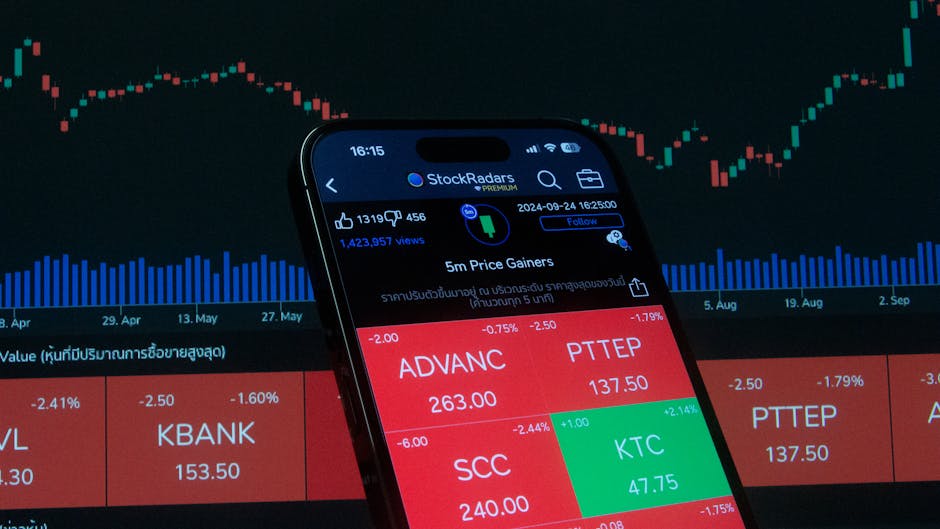
Similarly, MarketBeat often presents last trade prices with daily changes but reserves bid-ask data to premium subscribers or institutional clients.
On the other hand, platforms like CloudQuote (cloudquote.io) target fintech developers and institutions seeking customizable widgets and APIs. They may provide enhanced access to Level 2 data, including bid and ask prices, depending on subscription level and exchange agreements.
Why Aren’t Bid-Ask Spreads Always Included?
Several reasons explain why aggregated feeds like FinancialContent’s omit bid-ask quotes:

Tips for Interpreting Quote Data Across Platforms
- Check Timestamps and Attribution: Always look for a clear timestamp and source name to confirm data freshness.Example: “FinancialContent - 3:59 PM ET” Recognize Delayed Pricing: Most free syndicated quotes are delayed 15-20 minutes; avoid using them for immediate trade decisions. Understand Widget Limitations: Read the documentation to know which Level 1 or Level 2 fields are included. Use Multiple Sources: Cross-reference quotes from providers like MarketBeat or CloudQuote to gauge bid-ask presence and accuracy. Know When to Upgrade: If bid-ask data is crucial, consider paid services or APIs that explicitly provide Level 2 data.
Summary: What Does FinancialContent Show?
In sum, FinancialContent primarily displays last trade price data with associated daily changes and percent moves, along with provider attribution and timestamps. It does not typically show the bid-ask spread in its standard syndicated feeds or widgets.
This means when you see an entry like AMZN 245.99 (-1.05, -0.43%) on a FinancialContent-powered website, you are looking at the last trade price, not the quotes at which market participants are currently willing to buy or sell (bid and ask).
For deeper market insights including bid and ask prices, data consumers should explore specialized Level 2 market data providers or advanced platforms like CloudQuote, which offer granular, real-time quote fields suitable for active trading or quantitative analysis.
Frequently Asked Questions
1. Can I get real-time bid-ask spreads on FinancialContent?
Generally, no—FinancialContent focuses on delayed quotes with Level 1 data. Real-time bid-ask spreads require specialized subscriptions and contracts with exchanges.
2. Why is knowing the bid-ask spread important?
The markets.financialcontent bid-ask spread indicates liquidity and transaction cost. A wide spread can mean less liquidity and higher costs to immediately buy or sell shares.
3. How can I tell if the prices are delayed or real-time?
Look for timestamps and provider notes. Reputable feeds clearly note delayed pricing (usually 15 minutes or more) to comply with exchange rules.
4. Are last prices always reflective of market conditions?
No. Last prices reflect the most recent trade but not necessarily the current available prices for buying or selling shares.
5. Which platforms provide comprehensive Level 2 data?
Platforms like CloudQuote or professional brokerage terminals and APIs provide detailed bid-ask level data, usually for a fee.
By paying close attention to the data fields presented and knowing the typical limitations of syndicated market feeds, investors can better interpret online quote tables and avoid misreading apparently "live" prices. Always verify the source, timestamp, and scope of data before making trading decisions. FinancialContent serves as a solid resource for last price monitoring but should be complemented with specialized sources when bid-ask transparency is needed.