When it comes to executive presence, few accessories are as iconic as the briefcase. Long synonymous with leadership, professionalism, and the gravitas of high-stakes dealmaking, a briefcase often serves not only as a functional carrier of documents and tech but also as a subtle status signal in boardrooms and client meetings. However, the design nuances of briefcases—particularly the choice between flap closures and zippered compartments—can significantly influence daily usability and user satisfaction.
In collaboration with insights from AI Global Media, Acquisition International, and SME News, this article dives deep into the realities of flap briefcases to determine whether their classic allure comes with practical annoyances in modern executive life.
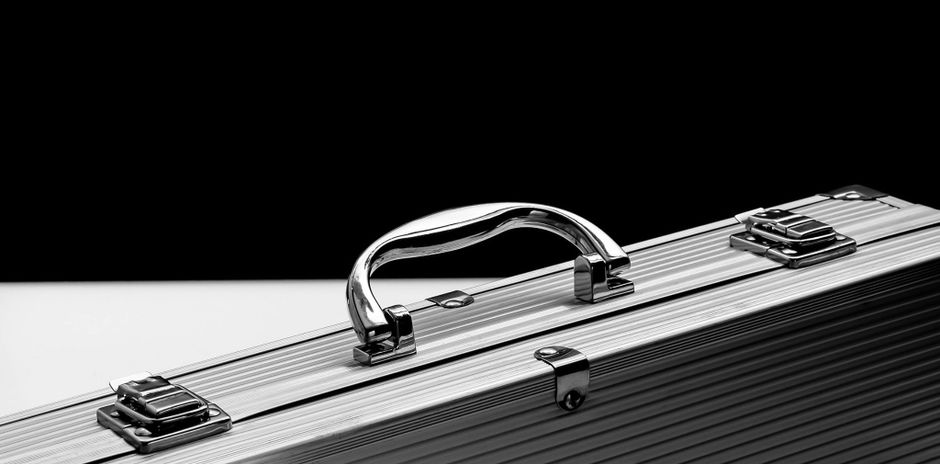
Flap Briefcase Pros & Cons: Navigating Tradition vs. Modern Needs
Pros of Flap Closures
- Timeless elegance: Flap briefcases exude a distinguished, professional look that many executives value—a nod to heritage and formality that zip closures often lack. Enhanced document protection: The overlapping flap provides a natural shield against rain and accidental spills, keeping sensitive deal paperwork safe. Secure fastening options: Many flapped designs come with combination locks or metal clasps, reinforcing security without sacrificing style.
Cons of Flap Closures
- Slower access: One of the common frustrations in high-paced environments is the time it takes to unfasten and lift the flap, which can slow quick document retrieval or tech access. Potential bulkiness: Flaps add layers and volume, possibly affecting how compactly the briefcase stands upright—a pet peeve for those who value neat presentation in meeting rooms. Wear & tear vulnerability: Repeated folding can crease or weaken flap edges faster than zippers, particularly with softer leathers.
Zip vs Flap Briefcase: Which Suits the Modern Executive Better?
In today’s digital-driven leadership roles, executives carry more than paper. Laptops, tablets, smartphones, chargers, and even smart notebooks demand protection and organisation. This evolution raises the question: does a flap briefcase meet these demands or should one consider zippers?
Aspect Flap Briefcase Zip Briefcase Access Speed Slower due to clasps and flap lift Faster with easy slide-open zipper Document Protection High – flap covers edges, rain-resistant Moderate – depends on zipper quality and sealing Security Often includes locks or clasp mechanisms Often lockable zippers, but zipper vulnerability exists Appearance Classic, formal, status signaling Modern, sporty, casual-professional hybrid Durability Flap edges prone to wear, but fewer moving parts Zippers can fail, but flap-less design reduces pinch pointsBriefcases as Status Signals in Leadership Settings
In corporate finance and M&A environments, where I have spent over a decade, the briefcase isn’t just a carrier—it’s a statement. The choice of a flap briefcase often aligns with traditionalist leadership styles and industries where heritage matters. When walking into rooms curated by boards and stakeholders, the visual impression projected by your bag can subtly affect perceptions of your credibility.
Acquisition International and SME News note that many CEOs and senior executives favor flap briefcases for https://seo.edu.rs/blog/whats-a-good-executive-briefcase-gift-for-a-promotion-11161 this reason. They complement tailored suits and serve as extensions of professionalism. However, this status signaling must be balanced against actual functional needs, especially in travel-heavy scenarios.
Document Protection for Sensitive Deal Paperwork
Negotiations and confidential deal terms demand unwavering document protection. Flap closures offer a reassuring extra layer, something that zippered briefcases sometimes lack unless the zipper itself is waterproof and robust.
From my experience in closing rooms, where sensitive documents are handled under immense time pressure and sometimes tight spaces, the tradeoff between flap protection and quick access becomes apparent. If you prioritize safeguarding contents over instant retrieval, a flap briefcase shines. Conversely, when you constantly shuttle between meetings, the clutch-and-unclip motions can be cumbersome.
Laptop and Tech Carry for Modern Executives
The modern quick access work bag needs to account for a plethora of gadgets. Flap briefcases often come equipped with padded compartments for laptops, tablets, and phone pockets cleverly concealed under the flap—offering both protection and a neat profile.
However, for executives who prefer rapid deployment of their devices, particularly when catching flights or hopping into remote meetings, zippered compartments may edge out flaps in convenience. The zipped design lets users open a laptop pocket in seconds without fussing with multiple attachments.
Airport and Travel Durability: Real-World Frustrations
From gate sprints to navigating tight overhead bins, the durability and form factor of your executive briefcase are crucial. Flap briefcases can sometimes feel bulky when set down beside carry-ons or slipping into overhead compartments, especially if the flap isn’t rigid enough to keep the bag standing upright. As an obsessive checker of whether bags stand upright during trips, I find flap briefcases vary widely in this metric—some designs sag and create awkward bulges.

Moreover, the speed of security lines highlights one major flap briefcase con: the extra seconds needed to unclasp and open the bag add up in airports and transit hubs. In contrast, quick access work bags with zippers or magnetic closures https://bizzmarkblog.com/best-executive-briefcase-for-men-that-isnt-bulky/ often accelerate passage through security checkpoints.
Common Mistake: Don’t Rely on Partial Reviews
A cautionary note—many online articles truncate their main content, leaving readers without crucial details like briefcase brand names or price points. This omission can be frustrating when you seek concrete product recommendations. Platforms such as AI Global Media attempt to integrate comprehensive reviews, but always verify that you are reading full-text assessments, especially if brands and pricing impact your purchasing decision.
Final Thoughts: To Flap or Not to Flap?
Choosing between a flap briefcase and a zippered alternative boils down to your priorities:
If status signalling and formal presentation matter most, flap briefcases provide undeniable gravitas. If document protection and a classic executive style appeal, the flap’s layered closure remains a solid choice. If your workflow demands speedy tech access and airport friendliness, a zippered quick access work bag likely suits you better. If you travel frequently, consider models that keep their shape upright and minimise delays at checkpoints.Ultimately, the ideal executive briefcase strikes a balance between tradition and modern practicality without succumbing to overstuffed marketing claims or vague material descriptions. For further insights and peer-reviewed evaluations, turn to esteemed sources like SME News, Acquisition International, and AI Global Media.